Head over to EadsyAstronomy LINK for the full text and PDF or Google Doc links to get this weeks copy of the EadsyAstronomy Newsletter!
Head over to EadsyAstronomy LINK for the full text and PDF or Google Doc links to get this weeks copy of the EadsyAstronomy Newsletter!

For many, the constellation of Leo is considered a centerpiece of the spring sky. In actuality, Leo signifies that late winter has arrived and heralds the coming of the spring constellations. By the first of February, by 10:00 pm Leo has risen and by 11:00 pm it is really high enough to begin making observations.
Leo boasts everything from bright, showy double stars to some of the most distant galactic clusters accessible to amateur equipment. This observing list has something for everyone. If you only have a 4 inch to 8 inch telescope, the Beginners List is perfect for you. You may also try for some of the objects on the Intermediate list. If you have a telescope of 10 inches of aperture or more, or are imaging, then the entire list is possible.
For a copy of the list in PDF or as a Google Doc head over to EadsyAstronomy LINK for the links and attachements.

For those of us who spend our nights nudging a telescope across the sky, or setting coordinates to image, the Andromeda Galaxy (Messier 31) is an old friend. We know its dust lanes and its satellite galaxies by heart. Some of us may even know the visual globular clusters that can be seen in a telescope. But while we were looking at the big picture, a massive star in one of Andromeda's spiral arms—M31-2014-DS1—did something revolutionary: it disappeared.
Full write up and LINK to the article over at EadsyAstronomy.

Today, we’re stepping away from the telescope for just a moment to look at some data that really hits home for those of us who have spent hours imaging or sketching Messier 1, the Crab Nebula.
Now, if you’ve followed me for some time, here on my blog, you know I love Messier 1, the Crab Nebula. Yep, it’s a supernova remnant, and that explains my fascination and love of this object. Because it's a supernova remnant that means it’s a mess of history and physics. But here’s the thing: this Crab is fast. It’s expanding at 1,500 kilometers per second. If you haven't updated your maps or images or drawings since the late '90s or even early 2000s, you’re looking at a ghost. That object is now long gone. That’s exactly what William Blair and his team of astronomers addressed in their 2026 paper, "The Crab Nebula Revisited."
Watch the video review and for a more in depth explanation head over to EadsyAstronomy LINK.
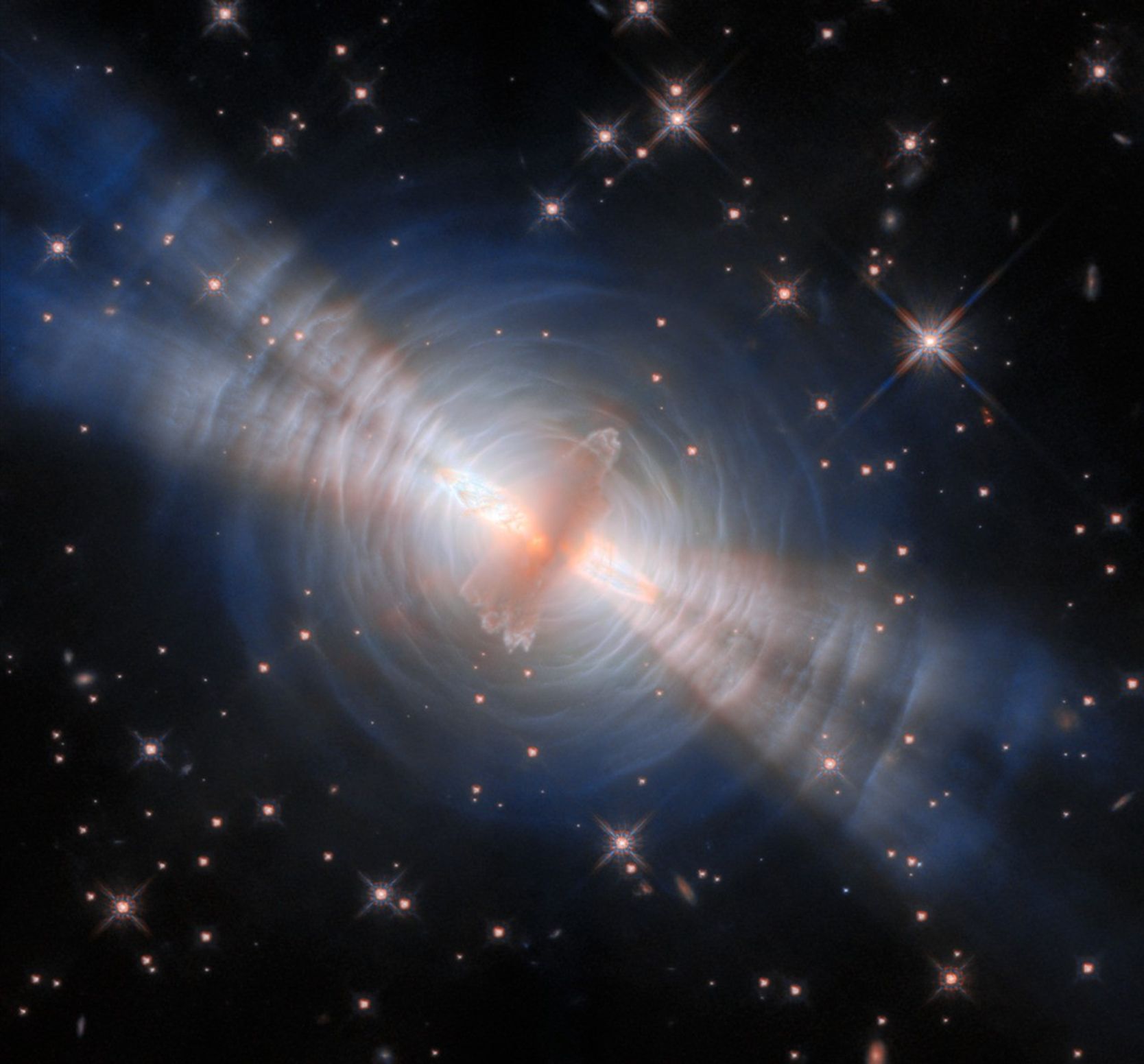
NASA just released this stunning view of the Egg Nebula in Cygnus. Come learn more below.
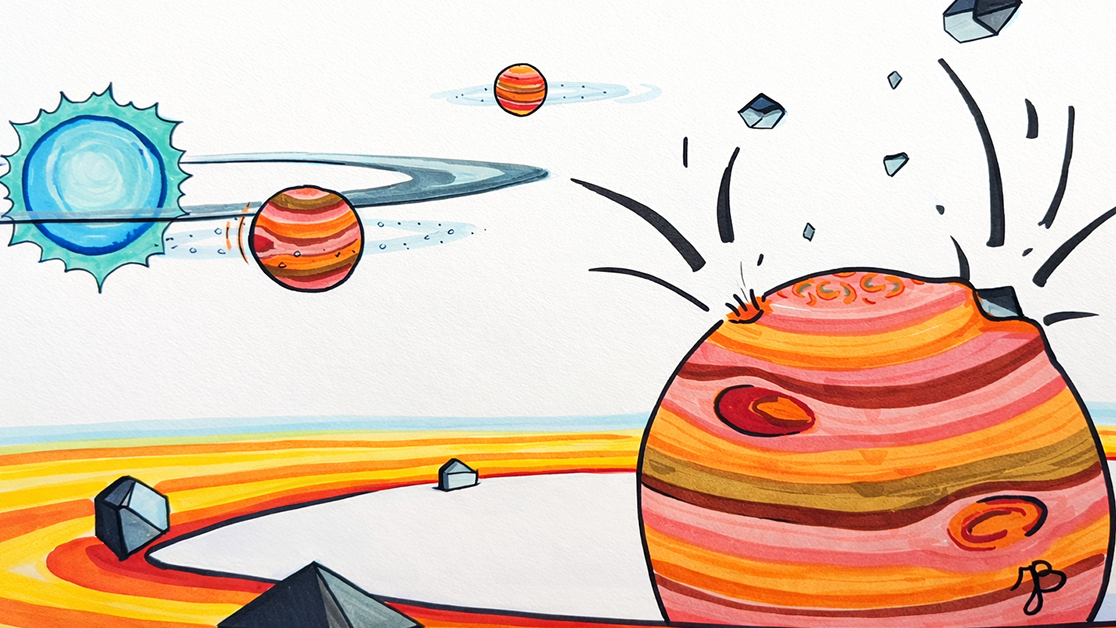
How are gas giants that are 5 to 10 times more massive than Jupiter created? Are they created much like a brown dwarf which are substellar objects that fuse deuterium, rather than hydrogen like stars, earning them the nickname "failed stars," Or do they form a solid core and accrete gas on top of that core like Jupiter did? Come and find out in the video over at EadsyAstronomy LINK.

